
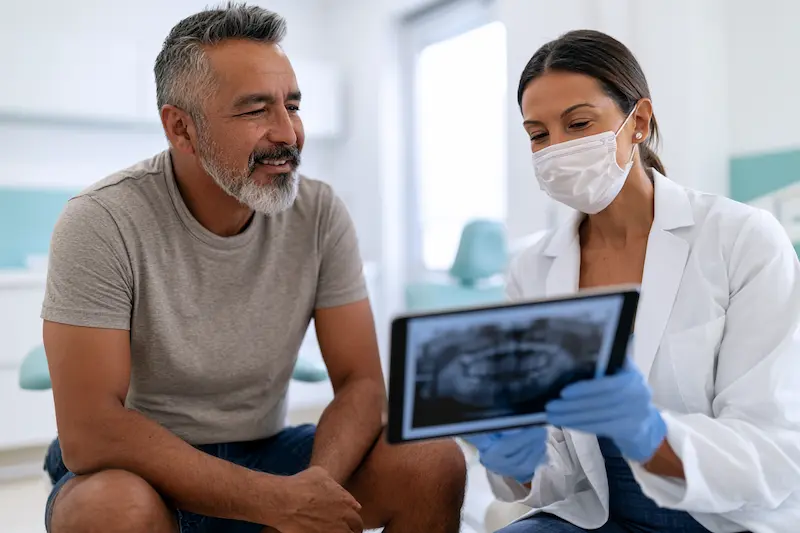
Oral Rehabilitation Specialist in Bogotá: 7 Questions You Should Ask Before Starting Your Treatment You’re sitting in the dentist's chair, knowing your smile needs work. Maybe you’ve spent months avoiding certain foods because chewing is uncomfortable, your teeth are worn down, or you no longer feel confident smiling. As you listen to the options, doubts start creeping in: Is this really the best solution? How long will it take? Am I actually in good hands?
Choosing an Choosing an in Bogotá takes more than a quick internet search. It isn't just about how your teeth look—it's about understanding what's happening in your mouth and knowing your options to restore its proper function. Asking the right questions during your initial consultation helps you avoid surprises and make decisions with peace of mind.
At Natural Smile & Dental Care, located in the Chicó neighborhood in northern Bogotá, oral rehabilitation is one of our main specialties. These seven questions will help you during any consultation to understand your options and be an active partner in every decision about your smile.
Why is choosing the right oral rehabilitation specialist so important?
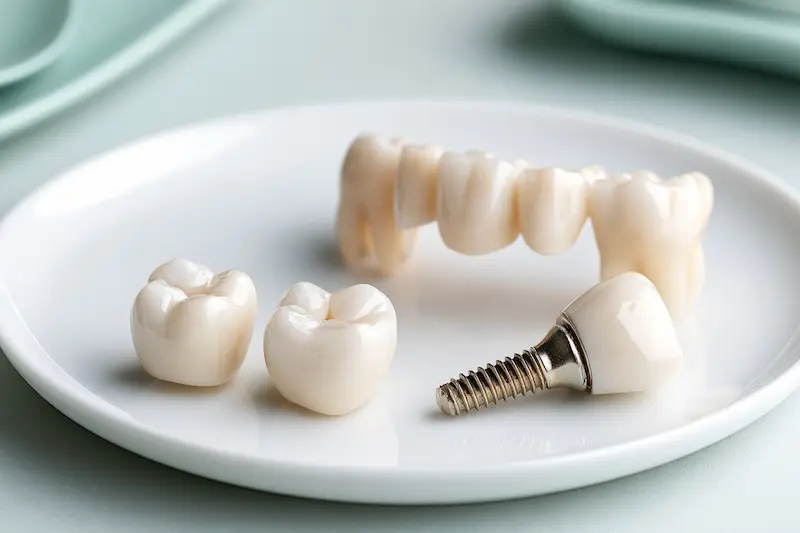
Oral rehabilitation is the branch of dentistry that restores the function, shape, and appearance of damaged, worn down, or missing teeth. It can include crowns, fixed bridges, dentures, or implant-supported teeth. If you want to better understand what oral rehabilitation is and when it's needed,we break it down in another article.
But everyone's needs are different. A single worn-down tooth, several missing teeth, or a shift in your bite all require different solutions. That’s why a good plan starts with understanding what your mouth actually needs before choosing a treatment.
The specialist must examine your teeth, gums, supporting bone structure, habits, overall health, and goals. When necessary, they also collaborate with other dental specialists. That’s why choosing someone who listens, explains everything clearly, and offers options is just as important as the materials or technology they use.
7 Questions You Should Ask Before Starting Your Oral Rehabilitation
Your first consultation is the time to get answers to your questions. You don't need to know dental jargon or feel embarrassed to ask. Bring these seven questions with you, and keep one thing in mind: how the specialist answers them says just as much as the answers themselves.
Who will be responsible for my treatment, and what are their qualifications?
It's completely reasonable to ask about the specialist's training and whether they've treated cases similar to yours. This is even more critical when you're missing several teeth or when multiple procedures need to be combined.
Also ask who will perform each step of the treatment and if other specialists will be involved. For example, with dental implants, the surgeon who places them and the rehabilitator who designs the teeth are often different professionals. Knowing this upfront helps you understand your treatment better.
In Colombia, you can check the Ministry of Health's ReTHUS directory (Registro Único Nacional del Talento Humano en Salud)to verify that a practitioner is fully licensed. A reputable specialist will never feel uncomfortable with you asking about their credentials—it’s your health.
What is my diagnosis, and what problems do we need to fix?
Before talking about treatments, it helps to understand why you need them. Are your teeth worn down? Has a tooth lost part of its structure? Are missing teeth making it hard to chew? Do your gums need attention first?
From the outside, these issues might look the same, but they require different approaches. That’s why an evaluation includes a mouth exam and, when necessary, X-rays or other studies.
Ask the specialist to explain your diagnosis in plain English: what they found, what happens if it goes untreated, and what can be done. Also ask if anything needs to be resolved first, such as cavities or gum health issues.When you understand your diagnosis, you won't feel like you're agreeing to something blindly.
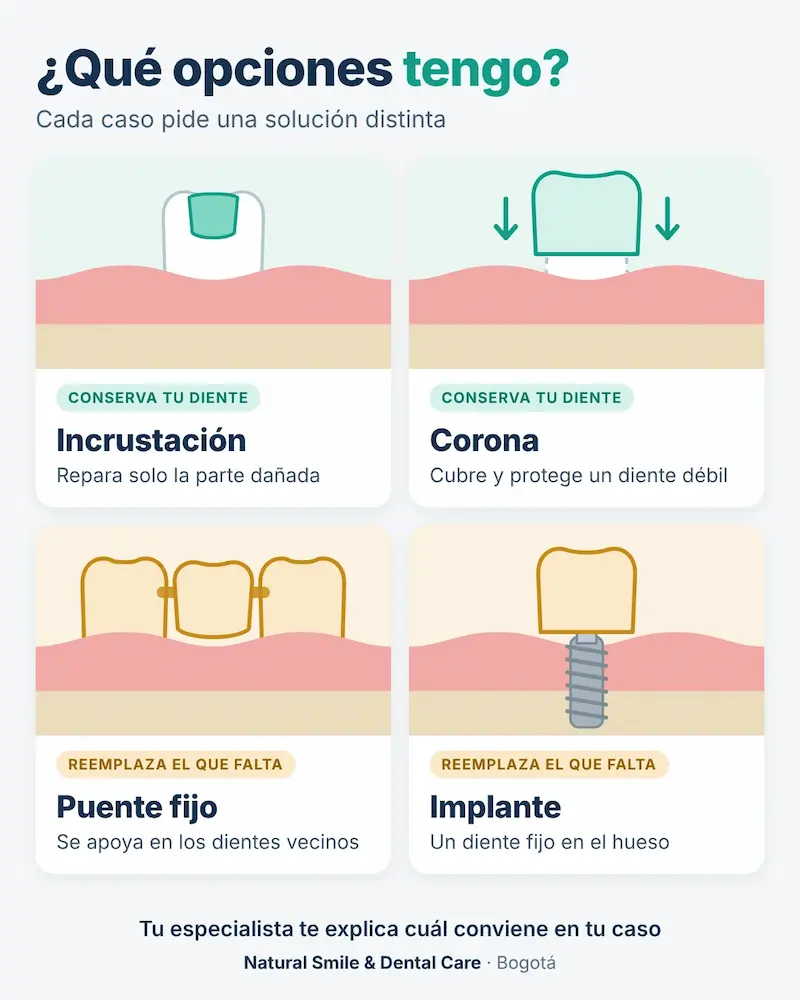
What options do I have for my case?
Always ask if there is more than one alternative. Depending on your diagnosis, the specialist may suggest:
- Dental crowns: They cover and protect a damaged or weakened tooth.
- Inlays and onlays: They rebuild only the damaged part of the tooth when enough natural structure remains.
- Fixed bridges: They replace one or more missing teeth by anchoring to neighboring teeth or implants.
- Removable dentures: They replace missing teeth and can be taken out for cleaning.
- Implant-supported teeth: Crowns, fixed bridges, or dentures anchored to implants placed in the jawbone.
Each option comes with different advantages, limitations, and care requirements. If a natural tooth can be restored with a good prognosis, keeping it is usually preferred. On the other hand, replacing a missing tooth requires evaluating your jawbone, gums, and neighboring teeth.
At Natural Smile & Dental Care, our oral rehabilitation services include crowns, fixed bridges, dentures, inlays/onlays, and implant-supported crowns. What matters most is that you understand why a specific option is recommended and what other choices exist before making a decision.
What will the treatment process look like, and how long will it take?
It's completely normal to want to know when you'll be able to chew comfortably again. How long it takes depends on your diagnosis, how many teeth need treatment, and the procedures involved. A single crown might only take a few visits, while a full-mouth restoration or implant-based treatment can take several weeks or months.
Ask how many visits to expect, what will be done during each one, and if you'll have temporary teeth in the meantime. For instance, with dental implants, you usually need to wait a few months for the implant to fuse with the jawbone before placing the final tooth.
Ask for an estimated timeline rather than exact dates. Knowing the stages upfront helps you plan your schedule and set realistic expectations.
What is included in the cost breakdown?
Cost is a natural concern. But in oral rehabilitation, the price varies depending on the number of teeth involved, the materials used, and the complexity of your case. That’s why two people with seemingly similar issues can get completely different estimates.
Before agreeing to treatment, ask for a written cost breakdown that details:
- The included procedures.
- The materials and type of restoration.
- Any necessary diagnostic tests or X-rays.
- The estimated number of visits or phases.
- Potential additional costs that could arise, along with payment options.
- Follow-up checkups included, if any.
Also ask what happens if a new issue comes up during treatment. The lowest price isn't always the best choice, and a high price doesn't guarantee better results. What matters most is understanding exactly what you're paying for and why.
What results can I expect, and what are the risks?
It's natural to picture how your smile will look. But a successful oral rehabilitation should also be measured by how well you can chew, speak, and feel.
Ask what realistic changes you can expect and what limits apply to your case. Request information on potential discomfort, sensitivity, adjustments, or complications. No dental treatment can guarantee the exact same outcome for everyone.
The The American Dental Association explains that informed consent means understanding the proposed treatment, its benefits, its risks, and any alternatives—including the option of not getting treated at all. That’s why signing a paper isn't enough: you have the right to ask questions, understand your options, and decide without pressure. If anything is unclear, you can always ask for clarification or a second opinion.
What long-term care and follow-up visits will I need?
Oral rehabilitation doesn't end the day you receive your crown, fixed bridge, or denture. To make them last, they require proper home care and regular checkups.
Ask how to keep them clean, how often you should return for checkups, and what habits could damage them—such as grinding or clenching your teeth, biting hard objects, or neglecting to floss properly. Also ask what warning signs should prompt you to call sooner: a restoration that feels loose, changes in your bite, or discomfort that won't go away.
If the clinic offers a warranty, ask them to explain the terms and conditions. The goal isn't just to restore your smile, but to make sure you know how to protect it for years to come.
How to know if you've found a specialist you can trust
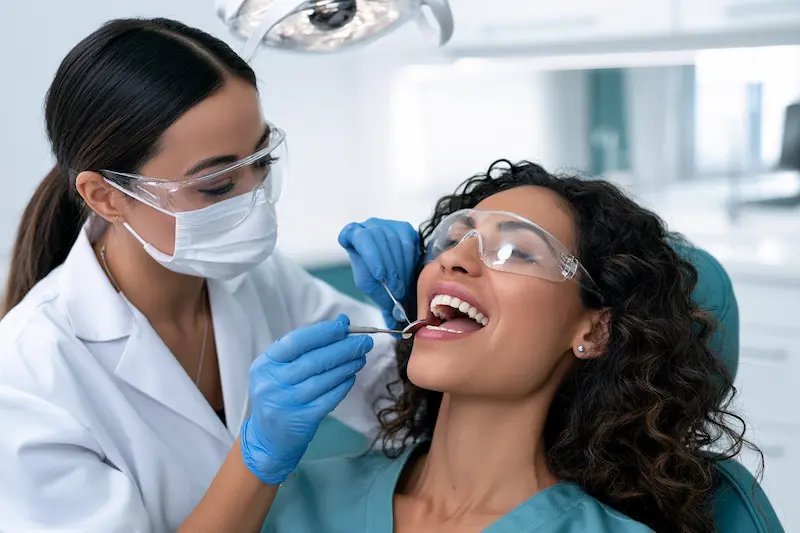
A good consultation gives you the space to share your concerns without feeling rushed or pressured. You don't have to agree to a treatment plan the same day if you still have questions. Before making up your mind, run through this checklist:
☐ I understand my diagnosis and why I need treatment.
☐ I know who will be treating me and what their qualifications are.
☐ The different options for my case were clearly explained to me.
☐ I understand the steps involved and the estimated timeline.
☐ I received a clear, detailed cost breakdown.
☐ I am aware of the potential risks and limitations of the treatment.
☐ I know what long-term care and follow-up visits will be required.
If you can't check off every box, ask for more details. A specialist you can trust won't be bothered by your questions—they expect them.
Your smile deserves a treatment you actually understand
Restoring your ability to chew comfortably and feel confident when you smile are great reasons to see a dentist. But your first step doesn't have to be picking out a crown or a denture. It can be as simple as sitting down with a specialist who listens to you and helps you understand your options.
At Natural Smile & Dental Care, we believe that an informed patient makes better decisions. That’s why we invite you to bring these seven questions to your oral rehabilitation options in BogotáAsk all of them—don't hold back. We want you to walk away with a clear diagnosis, fully explained options, a detailed cost estimate for your case, and the peace of mind to make the right choice at your own pace.
We are located at Calle 98 #15-17, Manhattan Center, Suite 709, in the Chicó area, just a few blocks from Parque de la 93.
You don't need to make every decision on day one. What matters most is leaving with a complete understanding of what your smile needs and what your options are.
Reach out to us on WhatsApp or call us at 316 767 3946 to book your consultation. Bring your questions—we'd love to answer them.
References
American Dental Association. (s. f.). Implants. MouthHealthy. https://www.mouthhealthy.org/all-topics-a-z/implants
American Dental Association. (s. f.). Types of consent. https://www.ada.org/resources/practice/practice-management/types-of-consent
Ministerio de Salud y Protección Social. (s. f.). ReTHUS: Registro Único Nacional del Talento Humano en Salud. SISPRO. https://www.sispro.gov.co/central-prestadores-de-servicios/Pages/ReTHUS-Registro-de-Talento-Humano-en-Salud.aspx
 Español
 English