

Smile Makeover in Bogotá: Before and After. Who Is a Good Candidate. If searching smile makeover in Bogotá, you're probably looking for more than just before-and-after photos. What you really need to know is what actually changes in your smile, how natural the results can look, whether composite resin or porcelain veneers is right for you — and whether you're even a candidate for the treatment.
At Natural Smile Colombia a smile makeover is not a quick fix or a one-size-fits-all formula. First, we evaluate your teeth, gums, color, shape, bite, facial proportions, and habits like bruxism. Only from that foundation can we build a smile that looks great, functions well, and lasts over time.
What Is a Smile Makeover?
A smile makeover is a dental treatment designed to improve the appearance of the teeth and their relationship to the face. Depending on the case, it may include composite resin, porcelain veneers, teeth whitening, gum contouring, or even prior orthodontic treatment.
The key is understanding that not every smile needs the same approach. That's why, before thinking about the final result, we first define what your specific case actually requires.
What Changes Before and After
When most people think about a smile makeover's before and after, they picture whiter teeth. But the real transformation usually goes much further.
A well-planned smile makeover can improve:
- The color of your teeth
- The shape of each individual tooth
- The visible size of your smile
- Minor gaps between teeth
- Worn or uneven edges
- The relationship between teeth and gums
- Overall harmony with your face
In the best cases, the change doesn't look artificial. It looks like a cleaner, more balanced, more authentic version of your smile.
What Problems Can It Correct?
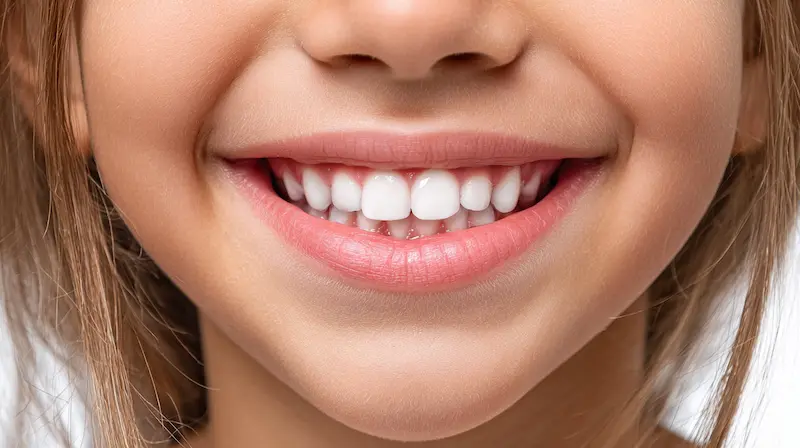
A properly planned smile makeover can address several common concerns:
- Stained or yellowed teeth
- Chipped or worn edges
- Small or disproportionate teeth
- Minor gaps between teeth
- Uneven gum line
- A smile that looks dull or off-balance when talking or smiling
It can also improve the visual perception of a smile that appears flat, short, or unexpressive — as long as the case has been properly evaluated.
Resin or Porcelain: Which One Is Right for You?
This is one of the most important questions, because there's no single answer that works for everyone.
Composite Resin
Resin is typically a faster, more conservative option. It's commonly used to correct shape, edges, small gaps, or aesthetic details without a more complex procedure.
Advantages:
- Usually requires less time
- Can be more affordable
- Allows for immediate changes
- Works well for simpler cases
Limitations:
- May wear down sooner
- Color stability may not match porcelain over time
- Requires good maintenance habits
Porcelain Veneers
Porcelain is generally recommended when you're looking for greater aesthetic durability, better color stability, and a more refined finish.
Advantages:
- Better long-term resistance
- More stable appearance over time
- Excellent aesthetic results when properly indicated
Limitations:
- Excellent aesthetic results when properly indicated
- Typically a larger investment
- Not every case actually needs it
The best choice depends on your bite, your enamel, your habits, and the kind of change you're looking for. It should never be decided based solely on price or a reference photo.
Who Is a Good Candidate?
Not everyone who wants a smile makeover should have one right away. First, we need to confirm that the mouth is clinically stable.
A good candidate typically has:
- Healthy or treatable teeth
- Stable gums
- Realistic expectations
- Good oral hygiene habits
- Willingness to follow post-treatment instructions
Someone may also be a candidate if they first need other treatments before reaching the final aesthetic stage — for example, a deep cleaning, gum therapy, orthodontics, or bruxism management.
What Is Bruxism?
The bruxism is the habit of clenching or grinding your teeth — often unconsciously, especially during sleep or stressful moments.
This matters because it can affect how long your smile makeover lasts. If someone grinds their teeth heavily and that's not addressed first, the cosmetic work can wear down or break more quickly.
What Is Gingivoplasty?
The Gingivoplasty is a procedure to reshape the gum line. It's used when the gums cover too much of the tooth, appear uneven, or don't complement the overall smile.
It's not always necessary, but when properly indicated, it can significantly improve the proportion between teeth and gums.
What Is Translucency?
The Translucency refers to a tooth's ability to allow light to pass through naturally. That quality is what keeps a smile from looking flat or fake.
A well-done smile makeover doesn't just aim for white. It also considers texture, shape, and translucency so the final result looks more lifelike.
What Is Occlusion?
The occlusion is the way upper and lower teeth fit together when you close your mouth.
This matters because a smile that only looks good in photos but doesn't respect your bite can cause problems over time. Aesthetics must go hand in hand with proper function.
How to Achieve a Natural-Looking Result
A natural result doesn't mean perfectly uniform teeth straight out of a catalog. It means a smile that looks right on your face, in your expressions, and the way you speak.
To achieve that, several factors need to be considered:
- Face shape
- Natural skin tone and tooth color
- Tooth proportion
- Smile line
- Gum health
- Bite
- Habits like bruxism
When all of that is carefully evaluated, the result doesn't look "placed." It looks like your smile — just better.
What to Expect from the Process
A serious process always starts with a comprehensive evaluation. That's where the overall condition of your mouth is assessed and the treatment plan is defined.
From there, a treatment plan is proposed — which may involve one or several phases. Some patients only need resin or veneers. Others first need work on their gums, bite, or tooth alignment.
Not every case takes the same amount of time. Some are resolved more quickly; others require more preparation to ensure a result that's both stable and beautiful.
Before You Decide, Ask These Questions
Before committing to a smile makeover in Bogotá, it's worth asking:
- What diagnosis was made before the treatment was proposed?
- Do I need resin, porcelain, or a prior treatment first?
- Will my case look natural, or too uniform?
- Is there follow-up care after the procedure?
- What happens if I have bruxism or gum issues?
These questions help you avoid rushed decisions — and treatments that look good at first but don't hold up over time.
Frequently Asked Questions About Smile Makeovers in Bogotá
What really changes in a smile makeover?
More than just tooth color. It can also improve shape, size, edges, symmetry, and the relationship between teeth and gums. The goal is a more harmonious, natural smile that fits your face.
Is it always done with veneers?
No. Depending on the case, a smile makeover may include resin, porcelain, whitening, gum contouring, or even prior orthodontics. Every smile needs its own plan.
Resin or porcelain — which is better for me?
It depends on what you need, your bite, and the condition of your teeth. Resin is typically used for quicker or more conservative changes; porcelain is often chosen when greater durability and a more refined finish are the priority.
Will a smile makeover look natural?
Yes — when it's well planned. A good result shouldn't look exaggerated or artificial. It should fit your proportions, your expressions, and the way you smile.
Who can get a smile makeover?
Good candidates have healthy or treatable teeth, stable gums, and realistic expectations. If there are cavities, bruxism, or gum issues, those need to be addressed first.
What if I have bruxism?
Bruxism can shorten the lifespan of your treatment if it's not managed. That's why it's essential to evaluate it before any cosmetic work begins.
What if I have uneven gums?
In some cases, yes, it can be corrected. When the gum line affects how the smile looks, a contouring procedure may be needed to improve it.
How long does a smile makeover last?
Duration depends on the material, your habits, and aftercare. Porcelain generally lasts longer than resin, but both require maintenance and periodic check-ups.
Is a smile makeover painful?
It depends on the specific procedure involved. Some cases are very comfortable, while others may require more intervention and some post-procedure care.
Can it be done if I have gaps between my teeth?
In most cases, yes. Those gaps are evaluated to determine whether closing them with resin, porcelain, or a prior treatment is the right approach — based on their size and your bite.
What should I review before deciding?
Make sure there's a clear diagnosis, understand which material is being recommended and why, find out if you need any prior treatments, and confirm that the plan is tailored to your specific case — not a generic solution.
Why aren't before-and-after photos enough?
Because a photo only shows the final result — it doesn't tell you whether the patient had healthy gums, bruxism, a stable bite, or prior treatments. A complete clinical evaluation is the only thing that can tell you whether your result will actually be good and lasting.
Why a Full Evaluation Makes All the Difference
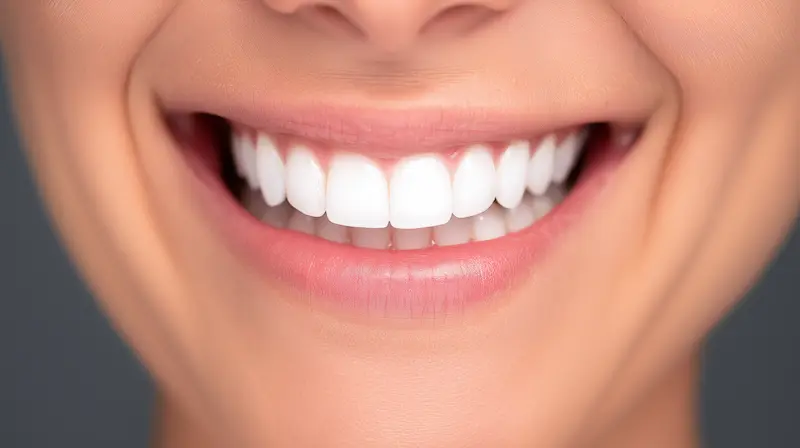
The most common mistake is choosing a smile makeover based only on before-and-after photos. They can give you a visual idea, but they don't replace a real clinical assessment.
A thorough evaluation lets us see:
- What can actually be improved
- What should be done first
- Which material is the best fit
- How to achieve a result that's both natural and long-lasting
That step is what truly separates a smile that looks good on the surface from a smile that's been properly planned from the inside out.
If searching smile makeover in Bogotáthe smartest move isn't to start with the final photo — it's to start with the right diagnosis. That way, you'll know what change is truly possible in your case, which material suits you best, and how to achieve a smile that's natural, balanced, and built to last.
At Natural Smile Colombia we help you evaluate your case personally to define the best path based on your teeth, gums, bite, and aesthetic goals.
 Español
  English